
A heat pump is a device that moves heat from one place to another instead of creating heat. For example, in winter, it takes heat from the outside air (yes — even when it’s cold) and moves it indoors to warm your home. In summer, it works in reverse, removing heat from inside and releasing it outdoors to keep your space cool. In cooling mode, the cycle reverses, removing heat from inside and rejecting it outdoors — essentially functioning as an air conditioner. So a heat pump can be used as an AC. It is worth to understand that not every AC unit can work in reverse mode if it wasn't designed to do so. It would only provide cooling capability.
The name “heat pump” comes from how it works: it pumps heat, similar to how a water pump moves water from one location to another. Rather than generating heat directly, it only transfers existing heat using electricity and a special refrigerant cycle.
A simple way to think about it is like a home refrigerator in reverse. Your fridge pulls heat out of food and releases it into the kitchen through the coils on the back. A heat pump uses the same principle — except its goal is to keep your whole home or office comfortable, either by bringing heat in or pushing it out depending on the season.
Because heat pumps move heat instead of making it from scratch, they’re often much more energy-efficient than traditional heating systems. That efficiency can mean lower energy bills and reduced environmental impact, which is why heat pumps are becoming a popular choice for modern homes.
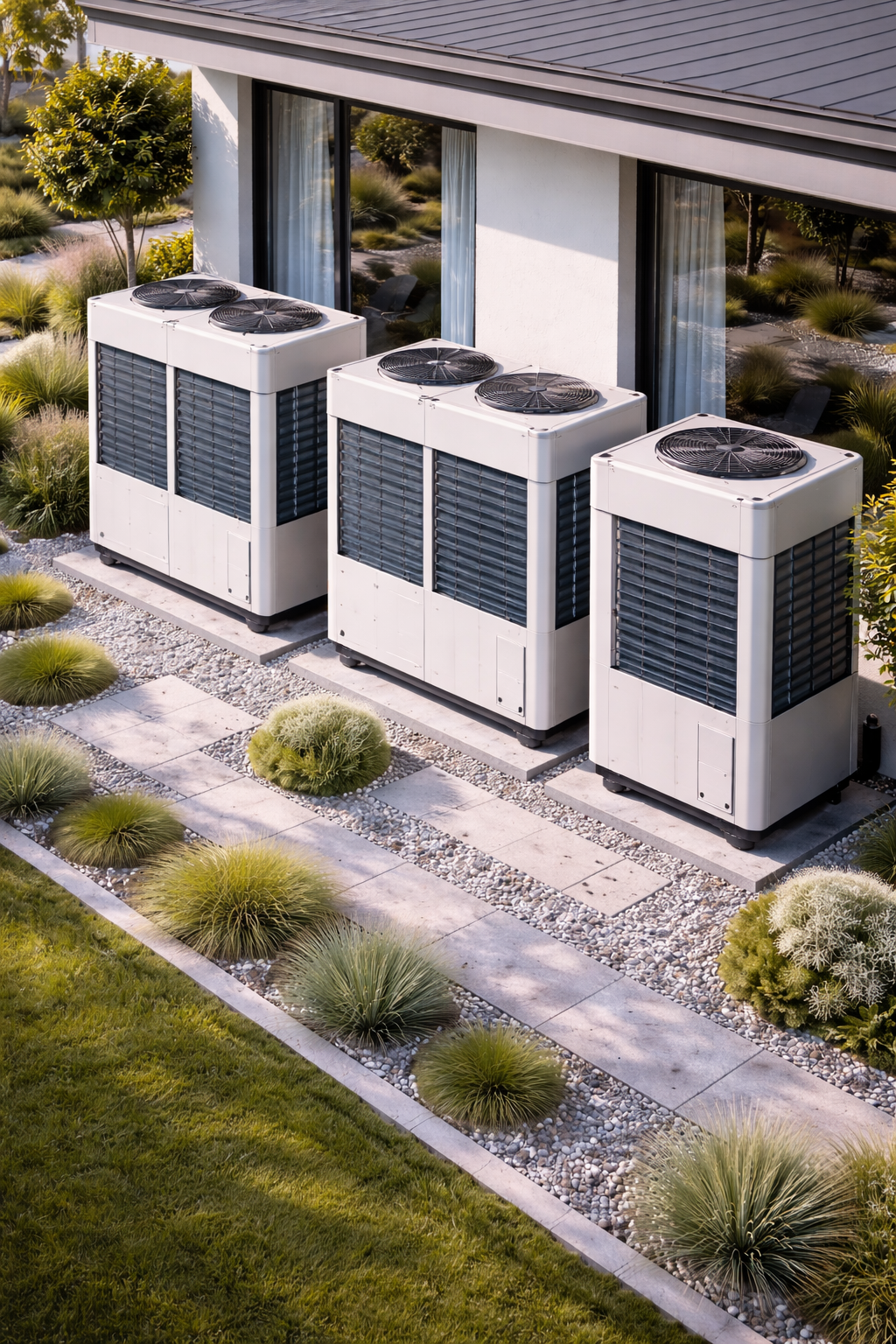
A simple heat pump consists of one condensing unit and an evaporator, along with a compressor and expansion valve. When thinking multi-zone systems, there is going to be more than one evaporator connected to such system. If there's a way for those evaporators to transfer energy between themselves without rejecting excess heat to the atmosphere, we're then talking about heat pumps with heat recovery capabilities, or simply heat recovery systems.